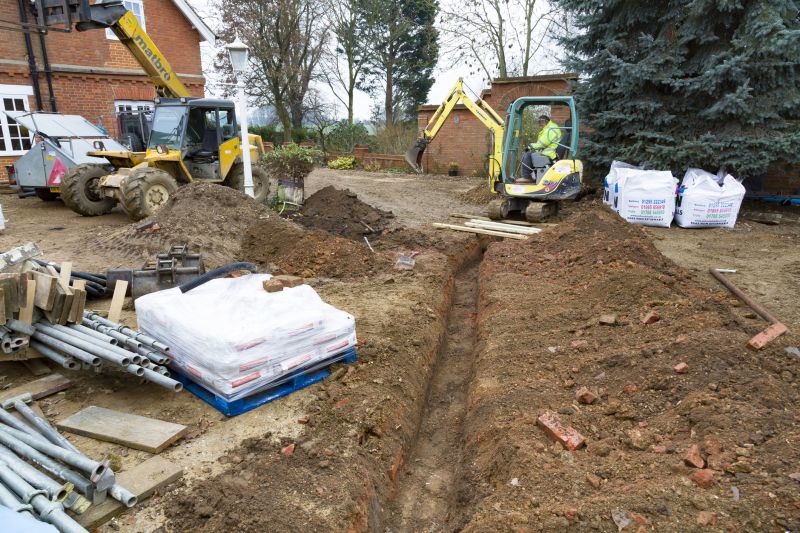
Backhoe Trenching in Atlanta, GA
Backhoe trenching services involve the use of a backhoe to dig narrow, deep trenches in the ground. This service is commonly requested for projects such as installing underground utilities, drainage systems, sprinkler lines, or fencing. Property owners typically want to understand the depth and width of the trenches, the scope of the excavation, and how the work may impact existing landscaping or structures before requesting trenching services.
Before requesting backhoe trenching, property owners often seek clarity on the project's purpose, the area to be excavated, and any necessary permits or restrictions. It's important to consider the location of underground utilities, property boundaries, and potential disruptions to landscaping or existing features. Understanding these details helps ensure the trenching work meets project requirements and minimizes unexpected issues during excavation.
Many property owners in Atlanta, GA look into Backhoe Trenching for repairs, replacements, upgrades, and appearance-related improvements.
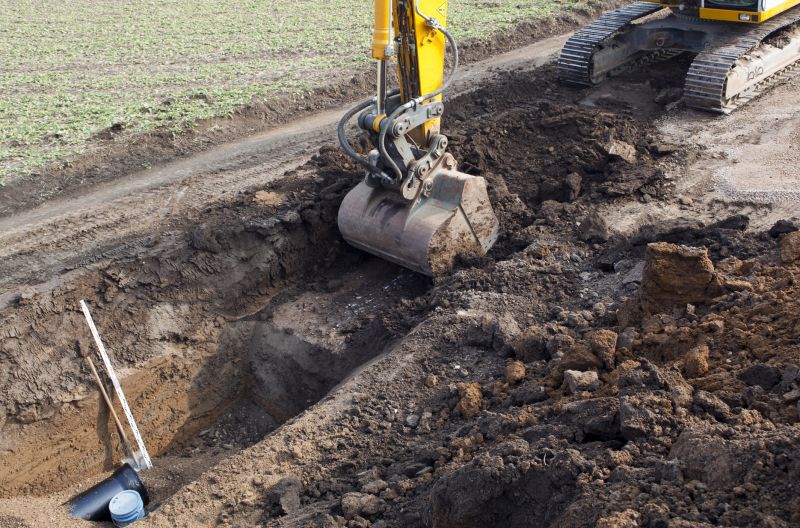
Residential Trenching Solutions
Backhoe trenching is ideal for installing utilities, drainage, and irrigation systems on residential properties in atlanta, ga.
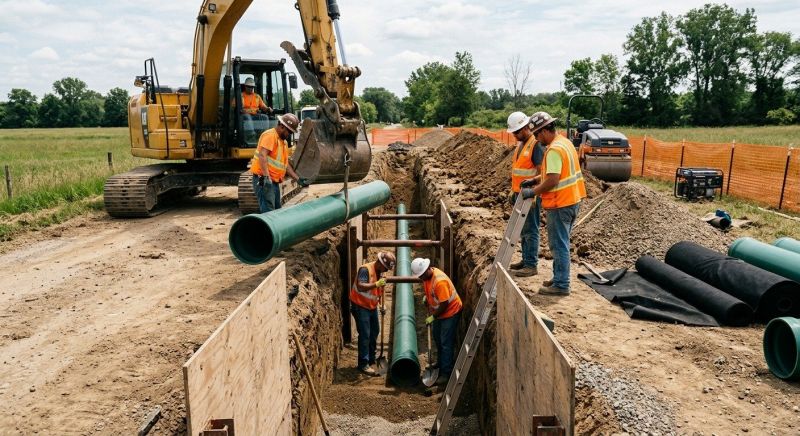
Commercial And Property Development
Heavy-duty trenching services support foundation work, fencing, and landscaping projects for commercial sites and large properties.
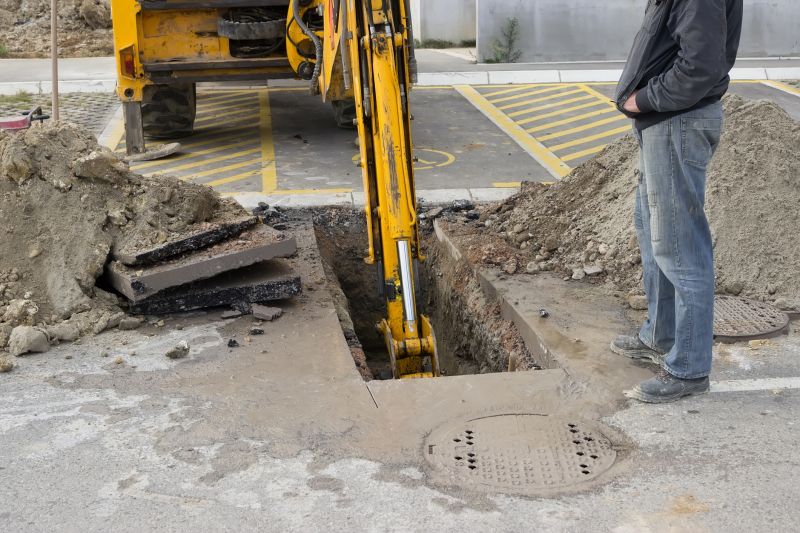
Efficient Excavation For Utility Lines
Backhoe trenching provides precise and efficient excavation for laying electrical, water, and sewer lines in various property types.
Backhoe Trenching in Atlanta, GA
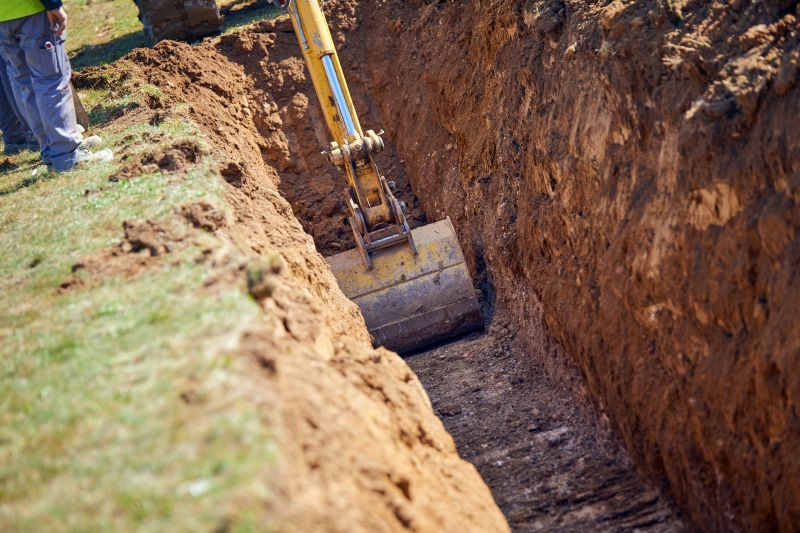
Backhoe trenching services involve the use of a backhoe to dig narrow, deep trenches in the ground. This service is commonly requested for projects such as installing underground utilities, drainage systems, sprinkler lines, or fencing. Property owners typically want to understand the depth and width of the trenches, the scope of the excavation, and how the work may impact existing landscaping or structures before requesting trenching services.
Before requesting backhoe trenching, property owners often seek clarity on the project's purpose, the area to be excavated, and any necessary permits or restrictions. It's important to consider the location of underground utilities, property boundaries, and potential disruptions to landscaping or existing features. Understanding these details helps ensure the trenching work meets project requirements and minimizes unexpected issues during excavation.
Many property owners in Atlanta, GA look into Backhoe Trenching for repairs, replacements, upgrades, and appearance-related improvements.
Common Backhoe Trenching Jobs
Foundation Excavation - trenches for basement or footing installation are created with precision.
Drainage Solutions - trenches are dug to install or repair underground drainage systems.
Utility Line Installation - trenches provide a pathway for electrical, water, or gas lines.
Landscape Drainage - trenches help manage surface water and prevent flooding on property.
Retaining Wall Foundations - trenches prepare the ground for building stable retaining walls.
Sewer and Septic Lines - trenches are excavated for the proper placement of sewer or septic systems.
Backhoe Trenching Questions
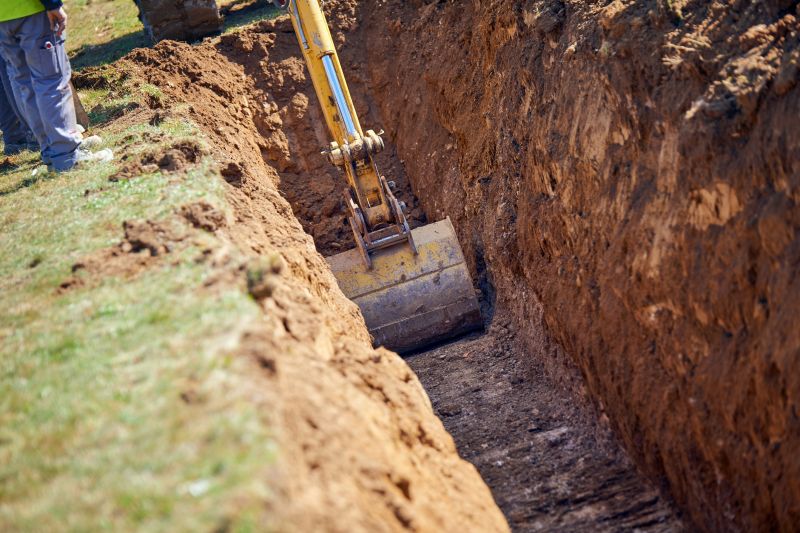
What types of projects require backhoe trenching? Backhoe trenching is commonly used for installing underground utilities, drainage systems, irrigation lines, and fencing foundations.
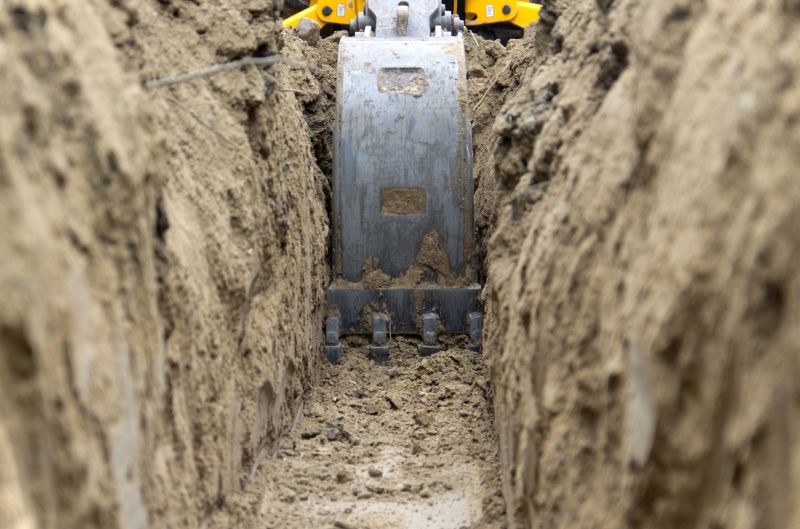
How deep can a backhoe trench? A backhoe can typically dig trenches up to 8 to 10 feet deep, depending on the equipment and soil conditions.
Is backhoe trenching suitable for residential properties? Yes, backhoe trenching is often used for residential projects like sewer lines, water lines, and landscaping needs.
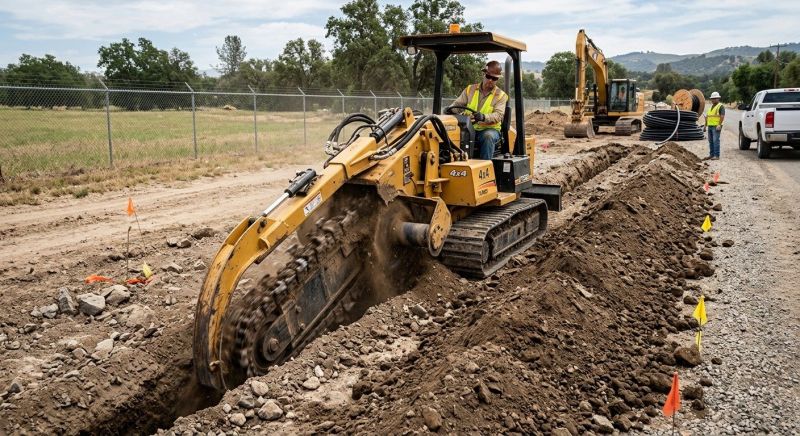
What should property owners consider before trenching? It's important to identify underground utilities and ensure proper permits are in place before trenching begins.
Request Backhoe Trenching in Atlanta, GA
Use the quote form on this page to share the basics of your project and request more information for the type of work you need.